Category: Grief Coaching Insights

  • Observing National Grief Awareness Day

    Observing National Grief Awareness Day

    National Grief Awareness Day, observed annually on August 30th, is a day dedicated to raising awareness about the various forms of grief and the challenges faced by those who are grieving. The day emphasizes the importance of acknowledging and supporting individuals who are dealing with loss, whether it be from the death of a loved one, a significant life change, or other forms of personal hardship.


    There are several positive ways to honor the day, support those who are grieving, and foster healing:


    1. Reach Out to Someone Grieving: Send a message, make a phone call, or visit someone who has experienced a loss. Let them know you’re thinking of them and offer your support.


    1. Light a Candle in Remembrance: Light a candle to honor the memory of a loved one you’ve lost or to stand in solidarity with others who are grieving.


    1. Share Your Story: If you’re comfortable, share your own experiences with grief on social media or in a group setting. Your story can help others feel less alone.


    1. Participate in or Organize a Memorial Walk: Join or organize a walk to raise awareness about grief. Walking with others who understand grief can be a powerful, healing experience.


    1.  Donate to a Grief Support Organization: Consider donating to a charity or organization that provides resources and support to those who are grieving.


    1. Practice Self-Care: If you’re grieving, take time to care for yourself. Engage in activities that bring you peace, whether it’s journaling, meditating, or simply taking a quiet moment for reflection.


    1. Attend a Grief Support Group: Join a local or virtual support group where you can connect with others who are also navigating grief.


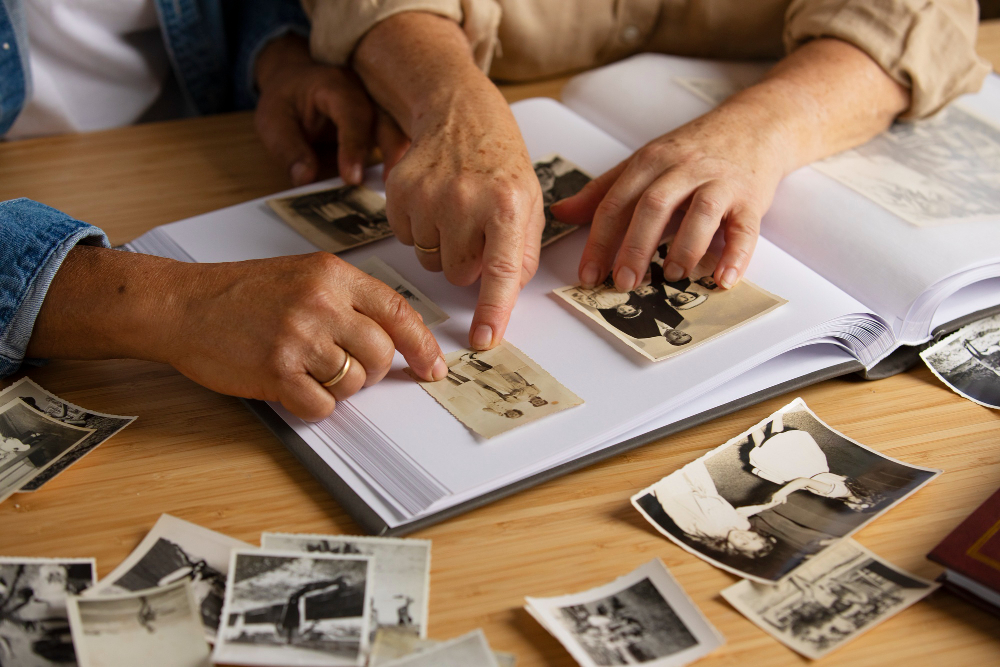
    1. Create a Memory Box or Scrapbook: Gather photos, letters, and mementos of your loved one and create a memory box or scrapbook as a way to honor and remember them.


    1. Seek Personalized Support: Grief is a unique experience, and a grief coach offers tailored support that meets individuals where they are in their healing process. They provide tools and strategies to help people cope with their specific type of loss, whether it’s the death of a loved one, the end of a relationship, or another significant life change. I am here to help. https://ltlagriefcoaching.com


    1. Write a Letter to a Lost Loved One: Writing can be a therapeutic way to express feelings. Consider writing a letter to a loved one you’ve lost, sharing your thoughts, memories, and feelings.


    1. Volunteer: Volunteer your time with a hospice, grief counseling center, or other organizations that support those in mourning.


    The goal of National Grief Awareness Day is to encourage open conversations about grief, reduce the stigma often associated with it, and promote understanding and compassion. It’s a time to educate the public about the grieving process and to remind people that grief is a natural and unique experience for everyone. The day also highlights the availability of resources and support systems to help those in mourning navigate their journey towards healing. 


  • Walking in Someone Else’s Shoes: Understanding the Journey of Grief

    Walking in Someone Else’s Shoes: Understanding the Journey of Grief

    Grief is a journey that, at some point, touches every one of us. But while we may all face loss, each person’s path through grief is uniquely their own. When someone close to us is grieving, it can be challenging to know how to offer support, how to comfort them, or even how to understand the depth of their pain. One of the most compassionate things we can do is to try and walk in their shoes, even if just for a moment, to better understand the weight they carry.


    Walking in someone else’s shoes doesn’t mean you need to have experienced the same loss or that you must fully understand their pain. Rather, it’s about empathy—making the conscious effort to imagine what they might be feeling, to acknowledge their sorrow, and to be present with them in their time of need. It’s about setting aside our own assumptions and judgments and simply being there, offering our presence as a source of comfort.


    Grief can be a lonely road, even when surrounded by well-meaning friends and family. The world often moves on faster than the grieving heart can heal, leaving those who mourn feeling isolated and misunderstood. By walking in their shoes, we remind them that they are not alone. We show them that their pain is seen, their loss is acknowledged, and their feelings are valid.


    One of the most powerful ways to walk in someone else’s shoes is through active listening. Often, those who are grieving don’t need advice or solutions; they need to be heard. They need to know that it’s okay to talk about their loved one, to cry, to express anger, confusion, or even numbness. By offering a listening ear without judgment, we provide a safe space for them to process their emotions. 


    It’s also important to recognize that grief doesn’t follow a set timeline. There will be good days and bad days, moments of peace, and sudden, intense waves of sorrow. By acknowledging this ebb and flow, we can better support our grieving loved ones, understanding that healing is not linear and that their journey will take time.


    Walking in someone else’s shoes also means being mindful of the small, everyday ways we can offer support. A simple gesture, like sending a thoughtful message, preparing a meal, or offering to spend time together without the pressure to talk, can make a significant difference. Sometimes, it’s the quiet presence of a friend that brings the most comfort, the unspoken understanding that they are not expected to be “okay” but are accepted and loved just as they are.


    As we walk alongside those who grieve, we may also find ourselves changed. Their resilience in the face of loss can teach us about the strength of the human spirit, the enduring power of love, and the importance of living with compassion. In supporting others, we often gain a deeper understanding of our own capacity for empathy and kindness.


    Grief is a journey that no one should have to walk alone. By stepping into the shoes of those who are grieving, even briefly, we can offer a light in their darkness, a hand to hold, and a reminder that they are loved. In doing so, we not only help to carry their burden but also strengthen the bonds of connection and care that make us all a little more human.


  • Grief Coaching: Helping You Move Forward

    Grief Coaching: Helping You Move Forward

    As a grief coach I want to offer compassionate guidance, helping you both move forward and honor your loved one in meaningful ways. Here are some ways I can help support this delicate balance:


    1. Creating Rituals and Memorials: I can help you design personal rituals or memorials that honor your loved one’s memory. Whether it’s a daily practice, a special anniversary event, or a creative project, these acts of remembrance allow you to celebrate their life while finding comfort in the ongoing connection.
    1. Navigating Grief Milestones:  Special dates and anniversaries can be particularly challenging. I can help you prepare for these moments, offering strategies to manage the emotions they bring and to honor your loved one in ways that feel right to you.
    2. Exploring Meaning and Legacy: As a grief coach I can guide you in finding ways to carry your loved one’s legacy forward. This might involve engaging in activities they cared about, supporting causes they believed in, or sharing their stories with others.
    3. Integrating Grief into Daily Life: Instead of pushing grief away, I want to help you learn to live with it, integrating the memory of your loved one into your daily life in healthy, affirming ways. This might include creating a memory space in your home, journaling about your experiences, or setting aside time for reflection.
    1. Setting Personal Goals for Healing:  Moving forward doesn’t mean leaving your loved one behind. I can assist you in setting goals that promote healing and personal growth while respecting the grief process. These goals help you gradually build a life that incorporates both your loss and your future. 
    1. Balancing Grief with Hope: I will support you in finding hope and joy again, while acknowledging the pain of your loss. I will encourage you to pursue new interests,  strengthen relationships, and take steps towards a fulfilling future, all while keeping your loved one’s memory alive in your heart.


    Through these approaches, I aim to empower you to honor your loved one while gradually finding your way forward, embracing life’s possibilities with their memory as a source of strength and inspiration and Learning to Live Again


  • Supporting Someone Through Hard Times: A Heartfelt Guide

    Supporting Someone Through Hard Times: A Heartfelt Guide

    Life is full of ups and downs, and sometimes those we care about face hardships that can seem insurmountable. Whether it’s the loss of a loved one, a health crisis, financial struggles, or emotional turmoil, knowing how to support someone going through a tough time can make a world of difference. Here are some heartfelt ways to help someone who is navigating a difficult period in their life.

    Be Present and Listen

    One of the most powerful things you can do is to just be present. Offer a listening ear, a simple prayer and a shoulder to lean on. Sometimes, people don’t need advice or solutions—they just need someone to listen without judgment.

    “The most basic and powerful way to connect to another person is to listen. Just listen.” — Rachel Naomi Remen

    Offer Practical Help

    When someone is overwhelmed, even small tasks can feel monumental. Offer to help with practical things like running errands, cooking a meal, or babysitting their children. These gestures can alleviate some of the daily pressures they’re facing.

    Show Empathy and Compassion

    Try to understand their feelings and validate their emotions. Avoid minimizing their struggles or offering clichéd reassurances. Instead, let them know that it’s okay to feel what they’re feeling and that you’re there for them.

    “Compassion is to look beyond your own pain, to see the pain of others.” — Yasmin Mogahed

    Check-In Regularly

    Consistency is key. Regular check-ins show that you care and that they’re not alone. A simple message or call can remind them that you’re thinking of them and ready to support them whenever they need it.

    Respect Their Boundaries

    Everyone copes differently. Some people might want to talk about their struggles, while others might need space. Respect their boundaries and let them lead the way in how much they want to share.

    Encourage Professional Help

    If their situation seems overwhelming or if you notice signs of serious distress, gently encourage them to seek professional help. A counselor, therapist, or support group can provide the specialized support they might need.

    Offer Hope

    Remind them that it’s okay to have bad days and that brighter days are ahead. Share stories of resilience and recovery, but be careful not to compare their experience to others in a way that might make them feel invalidated.

    Be Patient

    Healing and coping take time. Be patient with them as they navigate their emotions and circumstances. Let them know you’re there for the long haul.

    “Sometimes, the best thing you can do is not to think, not to wonder, not to imagine, not to obsess. Just breathe, and have faith that everything will work out for the best.”

    Create a Supportive Environment

    If they’re open to it, engage them in activities that can uplift their spirits. This could be a walk in the park, a movie night, or a hobby they enjoy. Creating positive experiences can be a gentle reminder of the joys that still exist.

    Helping someone through a hard time is an act of love and compassion that can profoundly impact their journey. Your support can provide comfort, strength, and hope when they need it most. Remember, you don’t have to have all the answers—just being there, offering your presence and understanding, can make all the difference. Together, we can navigate the storms of life and emerge stronger, with deeper connections and greater empathy.

  • Getting Through

    In several articles of my articles, I’ve talked about many things that can hopefully help you if you are taking care of a terminally ill loved one. As I reached the end of chronicling this part of the journey as a caregiver I thought about many things that I know you are facing daily. For some of you as you reach the end of your caretaking journey it may coincide with grief.

    Grieving can be a different process for everyone. Some may experience delayed grief, while others begin grieving before even losing their loved one who has been sick for so long. It is said that there are five stages of grief:

    • denial
    • anger
    • bargaining
    • depression
    • acceptance

    Many people will go through all of these emotions in order to heal, while others may experience very few.

    During my own personal journey, I have experienced several stages of the grieving process and in no particular order. Depression was a much more prevalent part of my healing process than bargaining or anger. For others, however, such stages are necessary steps to acceptance. There is no handbook to grief, and nobody should ever feel the pressure to grieve in a certain way. The healing process is just as personal as the rest of your journey to that place of acceptance.

    I encourage you to find peace in knowing that when you reach this place of acceptance, it doesn’t mean you forget about or stop grieving for your loved one. It simply means you are getting to a point where you are able to take in and process your grief, and that maybe you are ready to take those first steps to finding the “new normal” in your life.

    It has been seven months since I lost my husband, and of course I still have those somber days. We cannot predict how long we will grieve when we lose someone that we love so much, but the pain and sorrow begins to fade a little each day and that opens up some space in our hearts for all those good memories to start pouring in.

    I can never stress enough to cling to the things that are most important. Faith, family, and friends can pull you from any pit, and before you know it, you are standing on your own again…and maybe even smiling a bit!

    Originally published on Shannon Miller.

  • Prioritizing Your New Life

    Prioritizing Your New Life

    Living life as a widow is more than just carrying an extra set of responsibilities; it is a journey through profound emotional and physical challenges that shape every moment. The absence of a partner to share decisions, provide comfort, and lighten the load magnifies the difficulty of day-to-day tasks. Facing these moments alone can feel overwhelming, but finding practical ways to manage them helps carve a path toward healing and balance.

    Creating a system to prioritize responsibilities is not just helpful—it’s essential. When I found myself navigating these waters, I discovered that breaking tasks into lists brought a sense of order amidst chaos. Initially, I focused on urgent matters, separating those I could handle by myself from those that required the support of friends or family. Completing even the simplest tasks on my own brought a sense of accomplishment, fueling the confidence to face the next step. Each small success was a gentle reminder that I was capable of handling what life had set before me, one day at a time.

    Beyond the immediate to-dos, there were bigger, more daunting tasks that required time, patience, and energy. These were the ones that tested my resilience most. I learned to be gentle with myself, recognizing that tackling these challenges would take more than just time—it required emotional pacing and the courage to ask for help when needed.

    For those also raising children, involving them in the process can turn moments of challenge into valuable life lessons. Teaching kids to write their own lists and celebrate each completed task not only gives them a sense of agency but also builds a shared understanding that working together is key to navigating difficult days.

    In the beginning, the lists may seem endless, but little by little, tackling one thing at a time adds up. The mountain of responsibilities starts to shrink, replaced by milestones that mark both progress and healing. Looking back, I remember how impossible it all seemed at first, but with each task completed, my faith in myself grew stronger. Every step was a testament to resilience, a reminder that while the journey is hard, it is also full of growth, strength, and pride in overcoming the seemingly insurmountable.

    If you are not sure where to start I am here to help you. I may not know the way your particular path will lead, but I know what it takes to survive in this place. That’s where we can begin together. As a certified grief coach, my commitment is to offer you the utmost support and guidance.

    Originally published on Shannon Miller.

  • The Role of Others

    The Role of Others

    This is a topic that is near and dear to my heart. One of the blessings that came out of our long journey with cancer was the many amazing people we that we were blessed to have met along the way. We really made some life-long friends.  I can remember thinking that each person was filling a specific need in our lives at that time, and most of them probably did not even know it.

    Many times I would have friends say to me “I want to do something for you, but I just don’t know what to do.”  What I learned is that they really meant that, and to let them help was not only going to bless to me and my family, but it would bless them as well.  Caregivers, there may be days you don’t need a thing but a hug and a prayer, but there will also be days you need the help of many.  Please ask for or accept the help when you need it.  I will confess that I did not always do that, but looking back I wish I had.

    Perhaps you know someone that is experiencing a difficult time right now in their lives.  Please reach out to them.  I know sometimes it can feel uncomfortable to do it, but I can promise you as someone who has been the receiver of countless kind gestures, it is always a blessing and will never be unappreciated.

    Never underestimate the power of a card, phone call, email, or hug.  Nothing is too small in the eyes of a person who may be having a day where they are feeling broken, sad, exhausted, or lonely.  As rewarding as being a caregiver can be, it can also be a very lonely path to walk.

    I recently spoke to a very dear friend of mine, who was also thrust into the role of a caregiver around the same time as me. We both agreed on how much it meant to us to have someone just take the time to ask us how we were doing.  It is not a selfish thing to want people to care about you!

    I always be grateful for the immense support that I received from others.  Because those seeds of generosity were planted in my life, I strive to water them, nourish them, and plant them in the lives of others.

    “Our happiness is greatest when we contribute most to the happiness of others.” -Harriet Shepard

    Originally published on Shannon Miller.

  • Packing Up Memories

    Packing Up Memories

    I can vividly remember when I decided it was time to tackle my husband’s closet. He had always made it clear that he wanted his clothes donated to a charity that could use them. I had thought about doing this before, but somehow I wasn’t ready until now. Gradually, I’ve been adjusting things around the house—removing a little here, rearranging a bit there, trying to convince myself that these small changes weren’t really about letting him go.

    I began with determination. With each shirt I folded, memories of Nick—tall, debonair, wearing his bright smile—flooded back. As I sorted his ties, many of which were Father’s Day gifts from the kids, and his favorite pair of jeans that I had often teased about discarding, each item sparked another cherished memory. Even his sweater vests brought back vivid moments of laughter and love. It was comforting, in a way, to reminisce and feel his presence so vividly through these mementos.

    When everything was packed and labeled by the front door, I paused and turned back. A lump formed in my throat, tears welled in my eyes as I realized I was looking at a collection of beautiful memories, not just clothes. It was about the man who wore them, the life he lived, the way he loved, and the space he filled in our hearts.

    Life can be overwhelming, and it’s easy to lose focus. Engaging in things like going through your lost loved one’s belongings—certainly helps realign perspective. It might seem minor to others, but to a widow charting a new path, it’s monumental. Even 13 years later and it can still take immense mental and emotional strength to navigate through certain things.

    This experience also served as a poignant reminder of an essential truth that I sometimes allow to fade into the background: the fleeting nature of life. We are not guaranteed another moment, and every second we experience is a precious gift. This perspective is vital, yet it’s all too easy to lose sight of it amid the hustle and bustle of daily responsibilities and challenges.

    It’s somewhat embarrassing to admit just how often I forget this fundamental truth, especially when caught up in the distractions and stresses that life throws my way. However, moments like these serve as crucial wake-up calls, prompting me to refocus on the present and cherish every moment I am given.

    Being thankful and counting your blessings, especially during challenging times, is essential for maintaining momentum in life. It’s important to recognize the small victories and the growth that comes from enduring hardships. Embracing your journey with the support of faith, family, and friends can lead to profound peace. These are not just occasional comforts; they are critical elements that can sustain you through any storm.

    This process is a daily endeavor—clinging to faith through the tough moments requires continuous effort. Integrating important, life-affirming habits into your daily routine is key to not only enduring but thriving. Each day offers a new opportunity to live fully, driven by a spirit of gratitude and bolstered by the enduring support of your loved ones and your faith.

    “Live not one’s life as though one had a thousand years, but live each day as the last.” —Marcus Aurelius

  • It’s Okay Not To Be Okay

    It’s Okay Not To Be Okay

    Sometimes, when it feels like you can’t catch a breath and your heart feels parched and weary, God will send someone to breathe life back into your soul with their words. I deeply value those moments when God places someone in my path with just the right message.

    I shared these words with an old friend from high school who reached out to me after many years. She told me that every time she passed by the Mayo Clinic, she prayed for me and my family, and that she continues to pray to this very day. Her words melted my heart, leaving me both grateful and blessed.

    As we caught up, my friend mentioned something that really stuck with me. She said she always saw me as someone who had it all together. Hearing this made my heart sink because I knew the truth—I was far from it. If only people saw the difficult days as frequently as they occurred…would I still be a beacon of Christ’s light? Would people still accept and love the real me, amidst all the turmoil inside? I admit, there are days I wear a mask of denial, thinking it’s better than exposing the struggles I face. Can anyone relate?

    Over the years, I’ve realized you never truly know what someone else is going through. Some people are open about their challenges, while others prefer to keep their pain out of sight. I often find myself walking this fine line, but when I do share my vulnerabilities with someone I trust, I am usually met with encouragement and love. While some struggles are deeply personal, sharing them can significantly lighten the load.

    “Therefore encourage one another and build each other up, just as in fact you are doing.” – 1 Thessalonians 5:11

    It’s surprising how letting down your guard allows others to do the same, peeling back layers and revealing a softer side to each other. This can lead to deeper connections and perhaps even lifelong friendships. It’s a strange but beautiful truth how shared suffering can forge strong bonds between people.

    “By yourself you’re unprotected. With a friend, you can face the worst. Can you find a third? A three-stranded rope isn’t easily snapped.” – Ecclesiastes 4:12 (MSG)

    So, would I still be a shining light for Christ? Absolutely, and perhaps even more so. I hope others will see how God is working in my life, helping me mend and grow stronger through the trials. I pray that His light shines through me more brightly than ever, even on days when I struggle to see it myself.

    And will people still love me, despite the chaos within? They should. While it’s true that some may drift away as you heal, and that’s okay—sometimes God removes them for our betterment. But there will always be those who love you unconditionally, seeing you through compassionate eyes.

    “Carry each other’s burdens, and in this way, you will fulfill the law of Christ.” – Galatians 6:2

    Carry each other’s burdens, and in this way, you will fulfill the law of Christ,” as stated in Galatians 6:2, is a powerful directive from scripture that encourages us to engage deeply in the art of compassion and mutual support. This verse calls us not merely to observe each other’s struggles, but to actively participate in alleviating the weight that our friends, family, and even strangers might be carrying. It is a call to embody love by stepping into the trenches with those who are suffering.

    Remember, you are a precious gem in the eyes of your Heavenly Father. What you might see as a mess, others may view as a message of hope and resilience.

  • Hidden Blessings

    Recently, my journey has intertwined with many friends who are facing deep trials—mourning loved ones, grappling with terminal illnesses, or tirelessly caring for others, all while trying to provide for their families. These challenges seem to overshadow their joy, and knowing that many of you who read this blog are in similar situations, my deepest hope is to offer a ray of hope through my own experiences.

    From what I’ve endured, one memory stands profoundly clear: a man battling stage four cancer, encased in a full back brace, constantly in pain, yet steadfastly proclaiming God’s goodness. Whenever I’m invited to share my story, I speak of him:

    It was astonishing how the journey of a 52-year-old man with terminal cancer could emit such a spirit of love and encouragement. It turned out to be one of God’s most unexpected blessings. The Lord had enabled my husband to lead a life that uplifted others, and I was honored to share his story. His life expanded beyond the confines of physical pain, frequent doctor’s visits, and relentless treatments.

    This particular chapter of our story serves as a profound reminder that, even amid the depths of emotional or physical suffering, and notwithstanding the constraints imposed by time, there are hidden blessings that await us. These blessings often remain unseen, not because they are absent but because they manifest in forms we least expect, or require a journey through trials to be fully appreciated.

    It’s important to acknowledge that these blessings may not always be immediately apparent or arrive in the way we had hoped for. Instead, they often emerge in the midst of our struggles, revealing themselves slowly, sometimes painfully so. Yet, this process is itself a testament to the loving care with which God orchestrates our lives.

    Reflecting on those times, I see myself clinging to the Lord for daily strength, gripping His hand like a child does a parent’s—tightly, filled with love and hope. In return, He embraces me even closer, with more love than I could ever fathom. And although I speak of “looking back,” I am still holding on, and I always will.

    Your own narrative is also being shaped by the challenges you face. As you navigate through your trials, you may not be fully aware of the impact you have on others. Each step you take, each hurdle you overcome, might be a beacon of hope or a source of inspiration to someone observing your journey. It’s crucial to recognize that your experiences, though personal and sometimes painful, extend beyond yourself. They contribute to a larger story being written, where your perseverance might be the very encouragement someone else needs.

    The scripture reminds us that “God uses ordinary people to do extraordinary things.” In the midst of your struggles, whether they seem mundane or monumental, God is actively working through you. He crafts our experiences into lessons of courage and faith that resonate and uplift others. So, take heart and hold fast to the faith that through you, great things are being accomplished, touching lives in ways you might never fully know.